There are so many wellness articles written in 2021. So why write another one? Well firstly I love to write, and I find myself at almost 40 years of age with no permanent employment but enough opportunities and privilege (sometimes known as wealth) to spend time writing and building my own projects. I have no children, own a house almost outright with my partner. I can easily afford to travel New Zealand to visit friends and family. Other than a few Delta variant COVID hot-spots at the moment, some of us are privileged enough here in New Zealand to still travel a lot of the country (sorry for people in Waikato, Northland, and Auckland who are currently in lockdown). For me, life is pretty good right now.
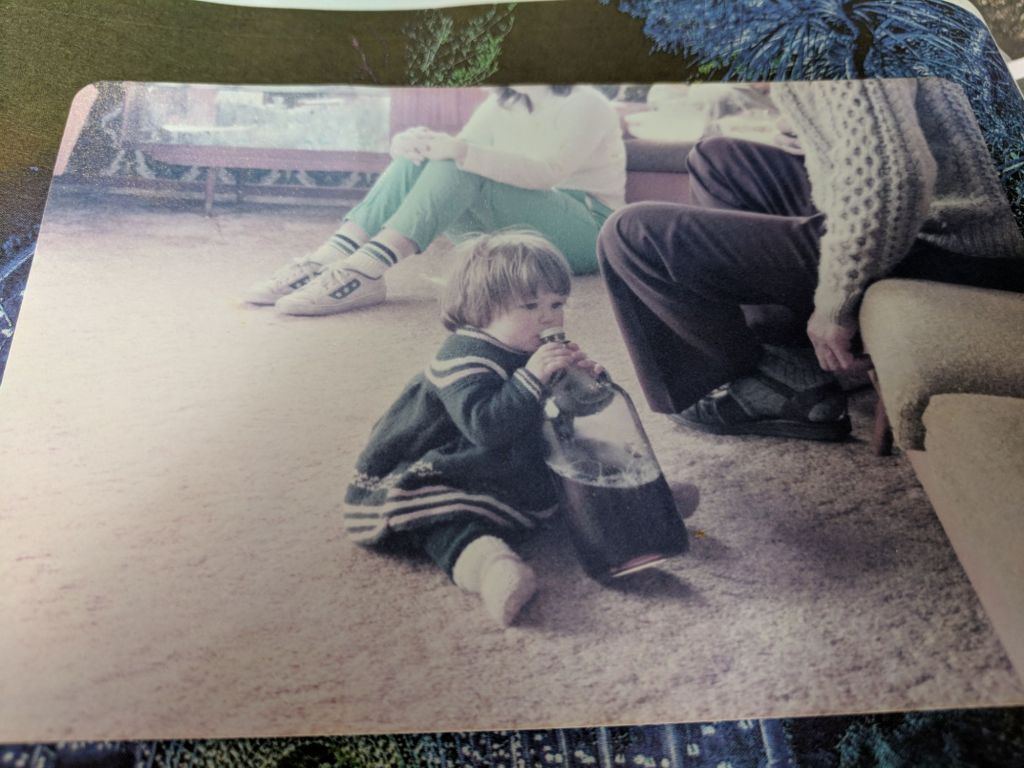
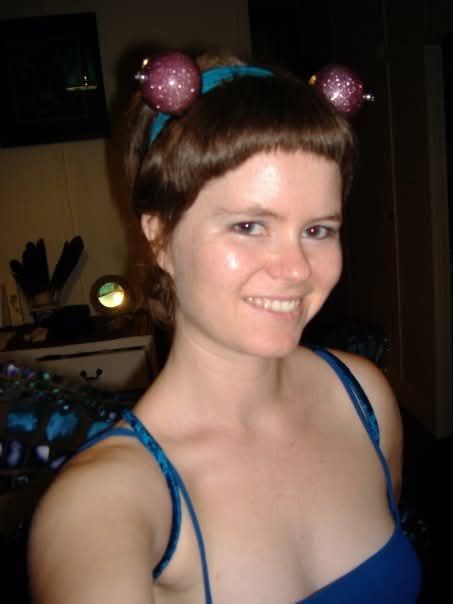
I was born in 1982 in Otautahi (Christchurch), in the South Island of New Zealand. I was raised with a mum and a dad, a bossy and wonderful little sister, surrounded by extended family and the natural beauty of Aotearoa New Zealand. We went skiing, I learned about dinosaurs and grew herbs, hung out with a series of beautiful family cats, and attended the fanciest public high school in town. Life was still pretty good!
I experienced failure pretty early in my career.
I attended Auckland university in 2001 dead set on getting into optometry school. After three A grades in my first year I failed an interview to get one of the 30-odd slots available to study eye science the next year. I will always remember the judgemental face of the young woman on the panel who stared at me with disdain and asked me “well if you want to help people, why don’t you just study nursing?”. I wish I had taken her up on that – nurses are great!
I now know that what illustrious interview panel wanted me to say was that I was fascinated with the physics of light and prisms, had done my first project at intermediate school (age 11) on myopia, and I was excited to join their very fancy club. I didn’t know I was meant to say those things, although they were all true – and just spoke of helping people. In hindsight the advent of OPSM and Specsavers, and online shopping has affected the eyeglasses industry greatly – I’m glad I didn’t get into your fancy optometry school. OK maybe I am still a little bit bitter.
From that very jarring early failure in life I went on to have many adventures. I completed my studies at Otago University and declined a Masters programme in Chemistry. I had no idea how necessary skills in environmental chemistry would end up to be, but I was reasonably sure I didn’t want contract work in a laboratory, and I thought I wanted to work with people in some sort of business role with science companies.
I chose to travel alone to Brazil at 21 to stay with family, completed a business diploma while working for a Russian shipping firm, then travelled to India. I lived and worked in Australia, made friends, worked in a variety of temp jobs as an office assistant, and navigated all the challenges of human relationships in my 20s.
When I failed at work, or in relationships, I spoke to my friends or family. I attended counselling for the first time in my mid-20s, and it was wonderful. At some point in my life, until then – I had got the very wrong idea that only the mentally unwell needed therapy.
I think I’m not the only one in my generation to find it initially hard to ask for help. I am at the very beginning of the millennial age bracket but I identify heavily with the digital generation. We were learning how to communicate our needs in a digital world in a time where therapy wasn’t for us – it was something the Americans talked about on TV. The internet really messed us up.
My kind father bought us our first Apple Mac (a LCII) when I was 11 years old. Other than playing a lot of black and white ninja Shareware games, I taught myself basic bulletin boarding and desktop publishing, and participated in reasonably early platforms that trialled internet communication, like IRC and web-based chat.
Me and my friends were privileged enough to get our first mobile phones aged 16. I had a One Touch View, which was a great phone other than having to memorise everyone’s phone number to input when I text messaged them. Early phones were definitely designed for the more extroverted American calling culture, but digital-adopting New Zealanders took to text messaging like ducks to water. When I grew up and went away to university to study psychology and environmental chemistry, I spent so much time in computer labs on chat programmes, I will forever have the ICQ “uh-oh” burnt into my brain. Life, love, gossip, we talked about it all, and we talked about it in written words.
In the early days of text messaging we spent so much time going down to the local convenience store to buy a voucher for more credits to text message our friends. Text messaging cost 20 cents a message, then 500 texts a month, then unlimited text messaging. Kiwis were massive fans of a communication platform where we didn’t actually have to phone someone and talk to them with our voices. Before lower case text messaging, and far before Tindr, so many relationships were started with those eternal text characters: “SUP?”
The problem with digital communication is it’s everywhere now, and it’s easy. It’s easy to flick off an email between meetings. It’s easy to message someone on Slack, or MS Teams, during a meeting, at 7am or at 9pm. Digital communication is making it difficult to remember many conversations at work need to be planned. We need time to plan things effectively. We have less and less time, because we think we need to spend more time finishing our task list. We will never finish our task list, because we keep adding to it.
I have almost ten years experience working with public and private sector teams and I have worked with a bunch of different managers. I haven’t tried my hand at managing a team, although I’d like to one day. Working in organisational development and leadership makes me very aware of my own shortcomings, and I don’t think I’m ready to lead teams just yet. But because I’m not in leadership teams yet, I think I can also clearly see where many companies are currently failing.
There are some amazing, strong, empathetic leaders. However, we’re not looking after our people. They’re hurting, for a multitude of reasons, and sending them on a course of how to manage stress isn’t going to solve everything.
Please note, as an aside – a psychological health course might help some people, combined with a strategic top-down, bottom-up plan to employee wellbeing. I’m more than happy to help, just ask me for some advice and I’ll put you in touch with an expert or three!
We need to take a holistic approach to assisting psychological safety in our complicated human organisations. I have a lot of ideas, but we need to create this holistic approach together, with people from all types of backgrounds, because one size does definitely not fit all. I’d love to hear your thoughts, experiences and opinions in the comments.
 Equity Inclusion Leadership
Leave a comment